


Have you ever considered how your family would manage financially during a serious crisis? Economic disruptions, natural disasters, or job loss can happen unexpectedly. Preparing financially for emergencies is just as important as storing food or water. Many people who focus on preparedness try to develop several ways to provide for their families if normal systems stop working.
Below are five important components that can help strengthen an emergency financial plan.
Emergency Financial Plan
1. Cash
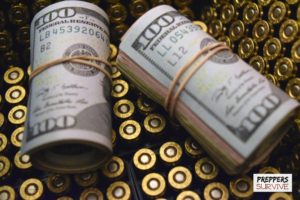
Cash is still king! In the great Chicago fire of 1871, most people were trying to escape the city. The ones with cash were able to rent and purchase wagons and horses to make their way out quickly.
During emergencies, electronic payment systems may fail or become unavailable. Having physical cash on hand can make it easier to buy supplies, fuel, or temporary shelter when digital payments aren’t working. It’s wise to keep a mix of small and larger bills. Smaller bills are useful for everyday purchases, while larger bills may be helpful for bigger transactions if needed.
2. One Year Worth of Emergency Supplies
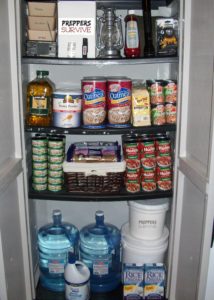
One of the best ways to protect your finances in a crisis is by already having what you need. When households store essentials like food, clean water, medical supplies, and hygiene items, they avoid the stress and cost of trying to buy them during shortages.
Creating a list of necessities and estimating how much your household would need for several months—or even a year—can help you build a reliable reserve over time.
Create a plan and checklist to help you calculate the number of supplies to get you through a year.
3. Gold, Silver, & Copper
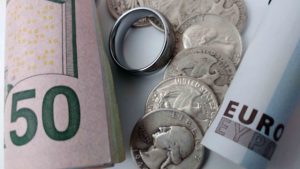
Some preparedness planners choose to keep a small amount of precious metals such as gold or silver. These materials have historically held value even when paper currencies weaken.
In extreme financial instability, metals could potentially serve as a store of value or be traded for goods and services.
There are affordable ways to stock up on these commodities (junk silver). In the nonfiction book: The Modern Survival Manual: Surviving the Economic Collapse of Argentina, the author was asked what he wished he would have done to prepare; he said, I wish I would have had a stash of men’s silver wedding bands to barter with. Selling a wedding band looks like you’re selling the last valuable possession you own, so you’re less likely to attract robbers. Add a few silver coins to your emergency stash every year.
4. Stock Pile Goods to Barter with
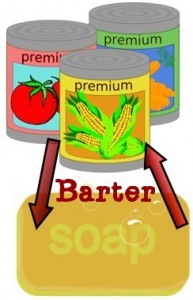
If money loses purchasing power or becomes difficult to access, everyday items may become valuable trade goods. Products that people regularly use—such as soap, food staples, tools, or fire-starting supplies—may become useful in a barter economy.
Building relationships with neighbors and community members can also help create a network where people exchange goods and services during difficult times. My uncle barter pears from his yard for tomatoes from his neighbor’s garden. Think of which commodities you want to stock-up on for bartering purposes.
5. Develop a Bartering Skill

Possessions can be lost or stolen, but skills remain with you. Learning abilities that provide practical value can be extremely useful during economic hardship.
Skills like gardening, repairing equipment, sewing, food preservation, carpentry, or medical knowledge may allow you to trade services for goods. In many situations, practical knowledge becomes one of the most reliable forms of security.
Skills you’ll always have, whereas, goods you can run out of. My father bartered his handyman skills regularly. He had a seasonal job at a cannery which meant that he was laid-off a couple of months each year. When he was laid-off, he would take whatever work he could find, even if the payment for his work was in goods rather than cash. The most unusual barter I remember was when he brought home what seemed like 100 rolls of old toilet paper (not as soft as the new stuff). I didn’t appreciate it at the time but it saved my parents from buying toilet paper for a year which can add up when you provide for a family of ten.
Bartering skills might include:
- barber
- beekeeping
- butcher
- candle making
- food preserver
- gardener
- engineer
- handyman
- herbalist
- horticulture
- hunting (selling bird & squirrel meat)
- medical practitioner
- moonshine maker (medicinal or recreational)
- pottering making
- self-defense trainer
- sewing
- smokehouse
- soap making
- sweat lodge or bathhouse
- wood carving – wooden spoons & bowls
- worm farm
Thanks for visiting Preppers Survive. Before you leave subscribe to our newsletter. If you enjoyed Emergency Financial Plan, please share it on your favorite social media.
Originally published: April 26, 2014

How much cash do you recommend per person?
$150 per person (A $100 bill and the rest in smaller denominations).
Excellent article full of useful information! My eyes were opened to silver and bartering, thank you!
It makes me realise that i need i need to take up one of these bartering items as a hobbie
I lucked out going to an Estate sale and found a vintage hair clipper, and it works, thought it might come in handy some day, and I’ve had some medical training, my husband is a ‘jack of all trades’ . And we practice making old timey things, like soap, ghee, pemican. hard tack, what a journey. Only if we were younger 🙁 but maybe we can teach the grand kids! Great article!
Lol, if I had a roll of hundred dollar bills I could lay down supplies. That is the goal of most of us. I do not believe I have ever handled a hundred dollar bill, i would not even know if it was counterfeit, even a $50 is questionable to me. This article is essentially about barter which I agree with and I will store barter items just as soon as I manage a years worth of food!
If you buy gold; Do not only buy one ounce gold pieces. Spanish Dubloons were used often during the old west. One coin was accepted as the equivalent the of a U.S. dollar. It could also be divided into eight pieces . So you could make change. ten gram gold bars can be bought where you buy one ounce gold pieces.
one ounce gold pieces cost over $1,000 right now. so few Americans can afford to buy them.
The odds on the U.S. Dollar collapsing are highly unlikely. Go anywhere in the world. Try to buy anything (illegal or legal). Tell the seller you have American dollars. That will get their undivided attention. Some might insist on only being paid with American Dollars.
When was the last time you bought something in America and had to pay with Gold?