


When the power goes out — whether from a storm, grid failure, or other emergency — most people resort to cold sandwiches and snacks. Using up the milk and finishing other perishable items is smart. But preppers know that nourishing meals are essential for morale, strength, and comfort during prolonged outages. While many off-grid cooking methods are designed for outdoor use, there are ways to prepare food safely inside your home when electricity isn’t available.
🔥 Safety First: Prepare Before You Cook
Before using any flame or alternative heat source indoors, put safety first:
-
Carbon Monoxide Alarm: Install a battery-powered CO detector and test it often. Combustion produces carbon monoxide (CO), a colorless, odorless gas that can be deadly.
-
Ventilation: Open windows and doors when possible to allow fresh air exchange.
-
Fire Safety: Keep a fire extinguisher rated for kitchen or grease fires close by. Clear the area of flammable items.
-
Test Gear First: Try your chosen method outdoors before relying on it inside during an emergency.
🍲 Indoor-Safe Cooking Methods
Here are effective ways to cook or heat meals without electricity — many inspired by survival and prepper strategies:
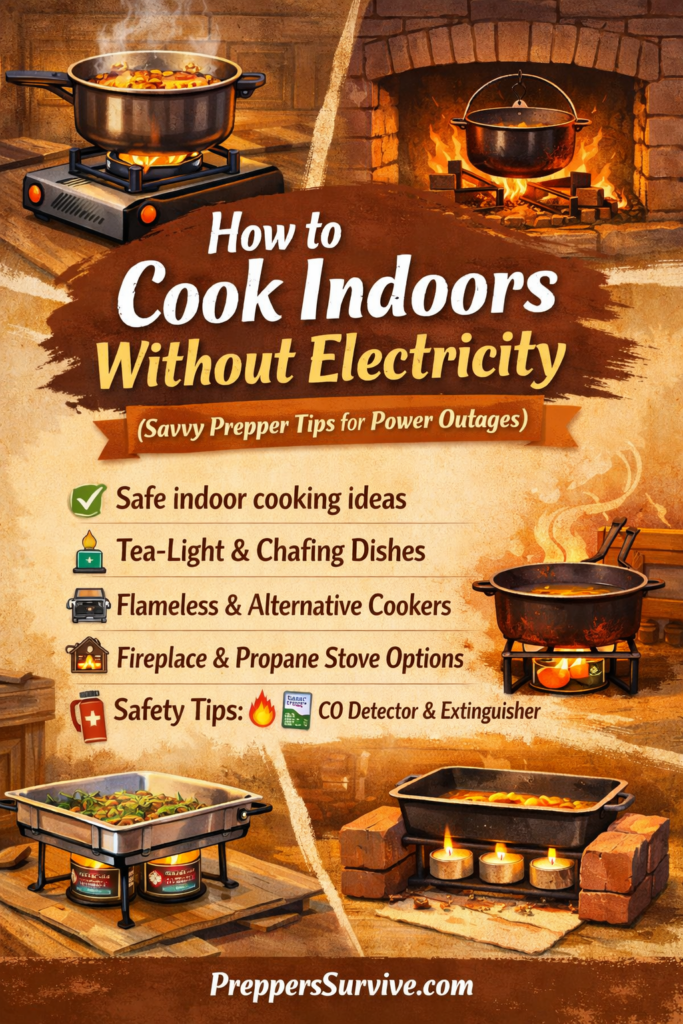
Cook Indoors Without Electricity
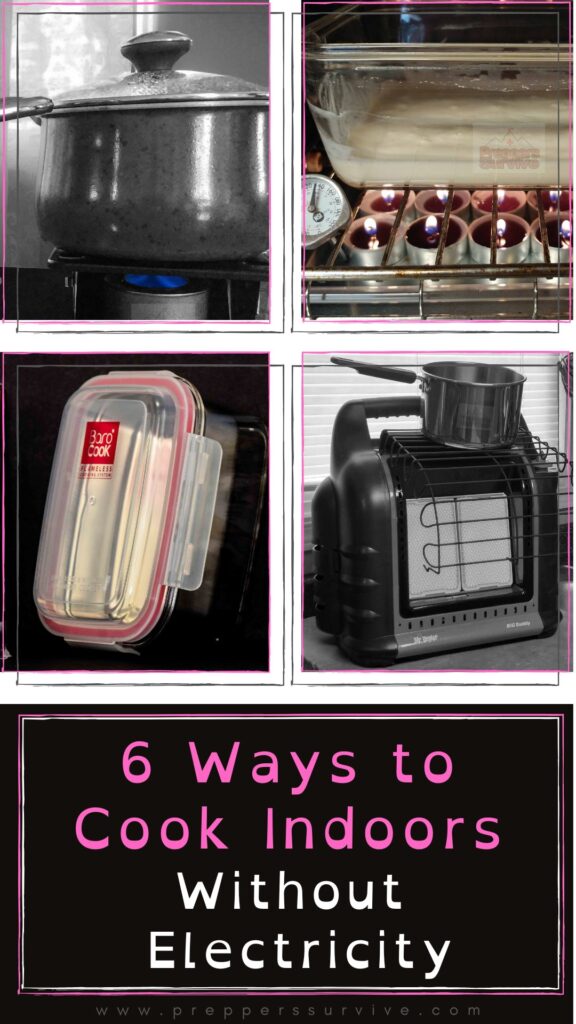
Whenever you plan on using an open flame to cook indoors during a power outage, you should always have a carbon monoxide detector and fire extinguisher close by. If you would like to learn more about each method click on the photos below.
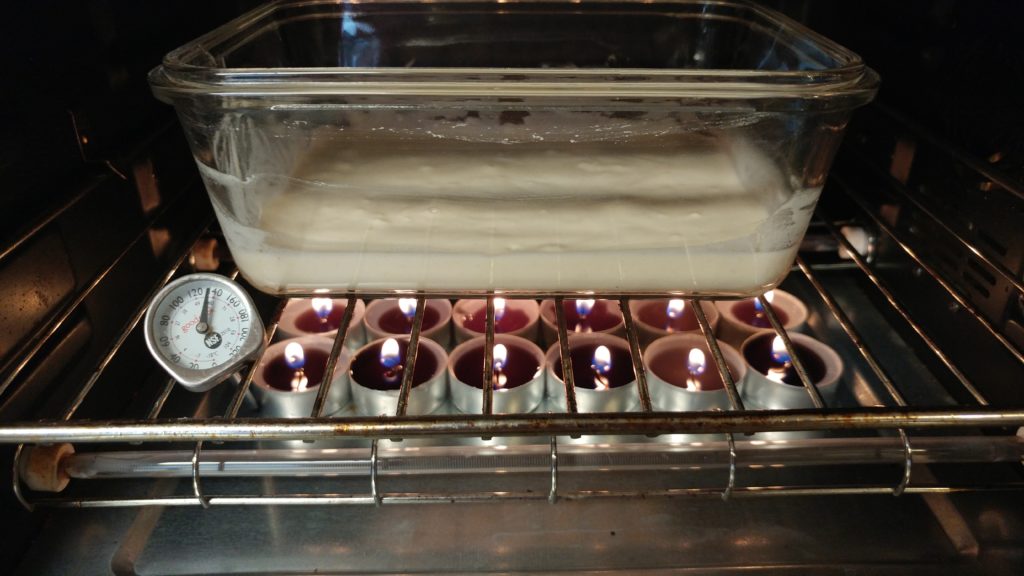
1. Tea Lite Oven
– – – – – – – – – – – – – – –
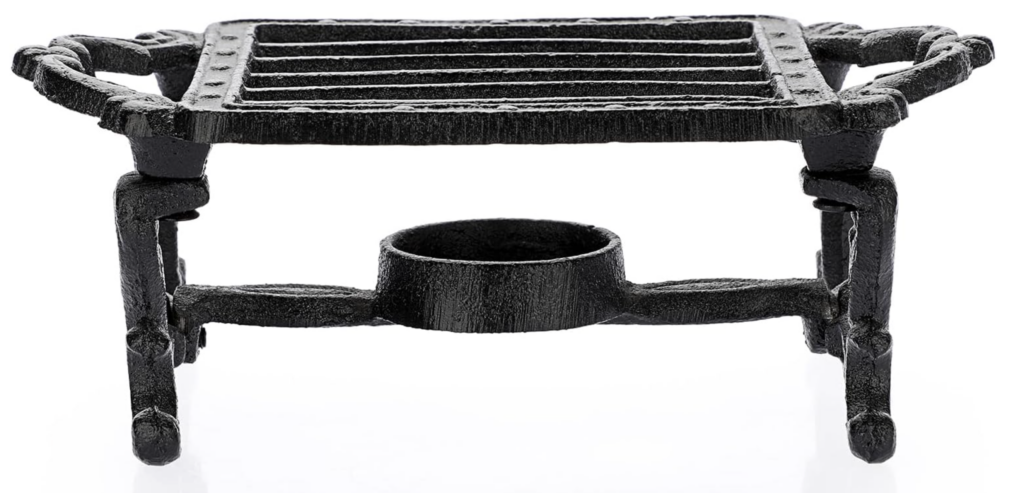
A DIY tea-light oven (sometimes called a HERC oven) uses multiple tea lights placed under and around a pan or baking dish. Over time, trapped heat will slowly cook casseroles, bread, or stews.
-
This method takes patience — it can take several hours for foods to cook through.
-
Only use stable, heat-proof surfaces and shield surrounding areas from hot wax or sparks.
– – – – – – – – – – – – – – –
– – – – – – – – – – – – – – –
2. Chafing Pans & Chafing Gel Fuel

Chafing pans aren’t just for buffets — they’re a practical, low-tech option for warming food indoors without electricity, especially soups, stews, and sauces.
A standard chafing setup uses two pans, one a shallow pan that is placed on top of the other. The bottom pan has water between the food and over gel fuel or canned heat, which provides steady, gentle warmth rather than a rolling boil. This makes it ideal for reheating pre-cooked meals or keeping food warm for extended periods during a power outage.
Why chafing pans work well in emergencies:
-
Designed for indoor use when properly ventilated
-
Uses low, controlled heat, reducing fire risk
-
Excellent for soups, chili, broth, and canned meals
-
Easy to store and reuse — no complex parts
How to use chafing pans safely:
-
Use only approved chafing fuel (gel or wick-style)
-
Place on a stable, heat-resistant surface
-
Crack a window for airflow and keep a CO detector nearby
-
Never leave unattended, especially around children or pets
Chafing pans won’t cook raw foods from scratch, but they shine when it comes to warming stored meals, stretching fuel supplies, and keeping food ready throughout the day. For preppers who rely heavily on canned goods or batch-cooked soups, this method adds another reliable layer to an indoor, no-electricity cooking plan.
– – – – – – – – – – – – – – –
3. Crockpot & Solar Panels
This YouTube video was made by desertsun02. Check out some of their other informative videos and don’t forget to subscribe!
– – – – – – – – – – – – – – –
– – – – – – – – – – – – – – –
– – – – – – – – – – – – – – –
4. Flameless Heat Packs and Flameless Cookers
Flameless cooking systems use heat-producing chemical reactions (often quicklime with water) inside sealed containers. They generate enough heat to cook or reheat meals without fire, sparks, or CO production — making them safe indoors.
-
Great for boiling water or heating packaged meals.
-
Ideal for urban dwellers, tents, National Parks, or enclosed spaces.
-
Works with freeze-dried, canned, or pre-soaked foods.
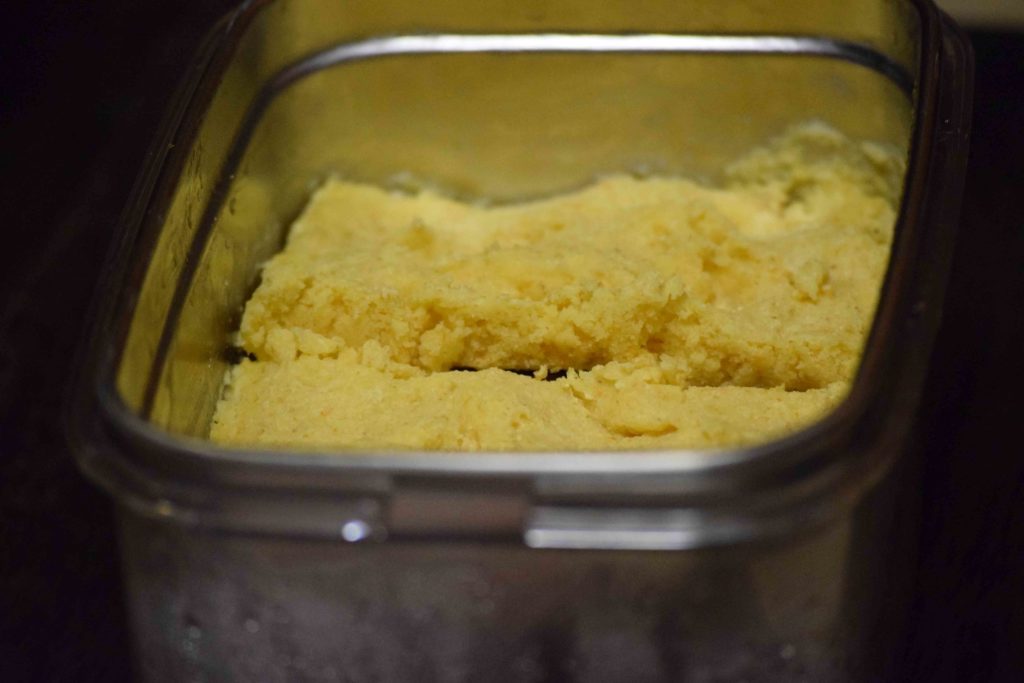
The Barocook Flameless Cooking System is a good item to have in a power outage, on a road trip, or in an emergency kit. Especially if you have a baby because it can warm up water for a bottle anywhere, in any weather condition. I can use the chafing pan fuel to cook chili, and this to bake cornbread.

– – – – – – – – – – – – – – –
5. Fireplace

If your home has a wood-burning fireplace or wood stove, these can be excellent cooking tools:
-
Use cast iron pots, grates, and trivets to cook just like on an old-fashioned hearth.
-
You can boil, braise, roast, and simmer — and keep the home warm at the same time.
Wood stove cooking requires planning (fuel and tools) but is one of the most reliable non-electric kitchen setups.
6. Portable Heaters, Safe or Not Safe? You Decide!
The Mr. Buddy heater is approved for indoor use. However, there are MANY YouTube videos about how Ice Fishman use Mr. Buddy Heaters to cook food. Any changes to a heater or its controls can be dangerous. Any modifications or adding attachments are not recommended by the Mr. Buddy company and voids any warranties. They were not designed or safety tested for cooking. There are two methods most commonly used to turn portable heaters into cooking stoves.
The first is to attach a five-gallon Paint Roller Wire Grid to the top handle of the heater, illustrated in the video below. You should never cook directly on galvanized metal because of potential health risks so the workaround is to place food on tin foil.
This YouTube video was made by Maine Trout Whisperer. Check out some of their other informative videos and don’t forget to subscribe!
– – – – – – – – – – – – – – – – – – – – – – – – – – – – – –
The second method is to pop off the front grill, starting with at the top. Once the safety grill is removed, turn it 180 degrees, placing the bottom of the grill in the top holes (see photo below).

– – – – – – – – – – – –
Related article: 10 Ways to Get Prepared
– – – – – – – – – – – – – – – – – – – – – – – – – – – –
Thanks for visiting Preppers Survive. Before you leave subscribe to our newsletter. If you enjoyed this article, cook indoors without electricity, please share it on your favorite social media.

Don’t forget about kerosene cooking stoves which can be used indoors (like kerosene heaters) and are used all over the world. A link to a vendor is: http://www.stpaulmercantile.com/index.php?main_page=index&cPath=73 but there are others.
Thanks, Jon! I don’t know of anyone that uses a kerosene cooking stove. Have you used one?
Hi Nettie! The Coleman PROPANE stoves make emergency food prep easy. Can be used indoors with plenty of ventilation and a CO detector