


10 First Aid Tools to Consider
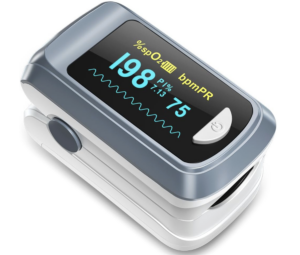
1. Pulse Oximeter
A pulse oximeter is a small digital device that clips onto a finger and measures blood oxygen saturation and pulse rate within seconds. During respiratory illnesses, high stress events, or infections, monitoring oxygen levels can provide valuable insight into when medical care may be needed. This simple tool can help guide decision-making during times when professional help is delayed or unavailable.
2. Scalpel
A scalpel is most commonly used to remove deep splinters or embedded debris before infection develops. With appropriate knowledge and training, its uses expand—but even at a basic level, a sterile scalpel can be a precise and effective tool. Because improper use can cause harm, this is a tool best paired with education and restraint.
3. Tweezers
High-quality tweezers are essential for removing splinters, broken glass, thorns, or other foreign debris from the skin. Disasters such as earthquakes, hurricanes, and tornadoes greatly increase the risk of debris-related injuries. Many off-the-shelf first aid kits include flimsy tweezers that are ineffective. In an emergency, precision matters—this is not a tool to go cheap on.
4. Portable Oxygen Canister
Shortness of breath can occur during allergic reactions, asthma flare-ups, panic, respiratory illness, or extreme stress. While oxygen is a medical therapy and not a cure, a portable oxygen canister may provide temporary support in situations where prescribed medications or professional care are unavailable. Oxygen should be used cautiously and as a short-term aid—not as a replacement for medical evaluation.
5. Blood Pressure Monitor
A blood pressure monitor (sphygmomanometer) provides insight into cardiovascular stress and overall health. High blood pressure often has no obvious symptoms, yet it can significantly increase the risk of stroke or heart complications. Stress, dehydration, illness, and trauma can all affect blood pressure. Being able to identify dangerously high or low readings can help guide urgent decisions during an emergency.
6. Stethoscope
A stethoscope allows the user to listen to heartbeats, lung sounds, and other internal cues that cannot be detected by touch alone. Irregular rhythms, wheezing, or abnormal lung sounds can signal underlying problems. When used alongside a blood pressure monitor, a stethoscope helps create a more complete picture of basic health—especially when self-care becomes your only option.
7. Pain Reliever
Pain management is an important but often overlooked part of emergency care. While medications may expire, pain relief remains essential for mobility, rest, and recovery. Understanding both pharmaceutical and non-pharmaceutical pain management strategies (such as cold, compression, elevation, and rest) is critical when resources are limited.
8. Thermometer
Monitoring body temperature is one of the simplest ways to detect infection or illness. Many households rely on digital thermometers with non-replaceable batteries that often fail when needed most. A thermometer with replaceable AAA batteries—or a non-digital backup—ensures reliability during long-term emergencies.
9. Natural Disinfectant
Infection is one of the leading causes of preventable illness and death following injuries. While commercial disinfectants are effective, they may not be available indefinitely during a prolonged emergency. Certain natural substances like Tea Tree Oil possess antimicrobial properties and can be used as supplemental options when supplies run low. Long-term preparedness benefits from understanding both conventional and alternative infection-prevention methods.
10. Blood-Clotting Gauze
Uncontrolled bleeding is one of the most immediate life-threatening emergencies. Studies show that severe blood loss is a leading cause of death in trauma situations, especially when care is delayed. Blood-clotting gauze is designed to rapidly control bleeding and can be lifesaving in cases of deep cuts or serious wounds. This is one of the most critical tools in any emergency medical kit.

***Did you know preppers have access to emergency antibiotics? Check out Jase Medical***
Thanks for visiting Preppers Survive. Before you leave subscribe to our newsletter. If you enjoyed this article, please share it on your favorite social media.

Leave a Reply