

The Truth About Spices: Origins, Purity and What to Look For
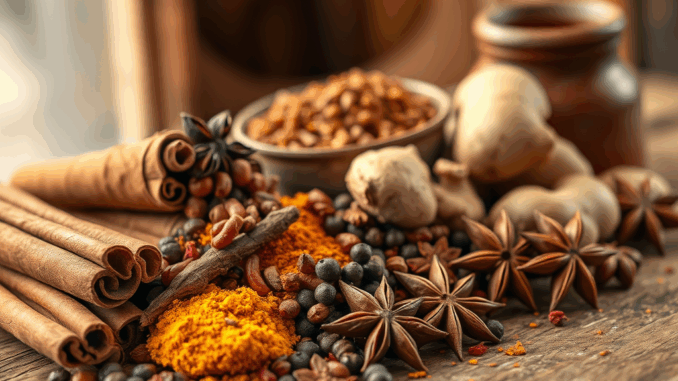
Few ingredients in the world have shaped human history as profoundly as spices. Today, we casually sprinkle cinnamon on oatmeal or add a pinch of black pepper to a steak, but these fragrant seasonings were once worth their weight in gold. The story of spices is a tale of exploration, wealth, power, and cultural exchange—a reminder that flavor has always carried far more than taste. Scroll down for the Essential Spices for Preppers List.
Spices = Currency
Thousands of years ago, spices were far more than culinary accents. In ancient Egypt, cinnamon and cassia were prized as highly as silver and were used in sacred rituals and embalming. Peppercorns were discovered in the nostrils of Ramses II’s mummified body, signifying both status and spiritual significance. In India and China, spices like turmeric, ginger, and star anise were traded as medicinal treasures, used to treat ailments and preserve food long before refrigeration.
In the Roman Empire, black pepper was so valuable that it was sometimes used to pay rent, taxes, or ransoms. Wealthy Roman households flaunted their prosperity by serving dishes heavily seasoned with imported spices—proof that flavor could be as powerful as coin.
Driving the Age of Exploration
The hunger for spices sparked some of the greatest voyages in human history. By the Middle Ages, European demand for exotic seasonings like nutmeg, cloves, and cinnamon had skyrocketed. These spices traveled thousands of miles from Southeast Asia along the Silk Road and maritime routes, passing through the hands of Arab and Venetian merchants who guarded their sources closely.
By the 15th century, the race to control spice routes launched the Age of Exploration. Portuguese explorers like Vasco da Gama sailed around Africa to reach India, while Christopher Columbus sought a westward path to the “Spice Islands” of Indonesia. These voyages redrew global maps and set the stage for centuries of trade, colonization, and cultural exchange—all in pursuit of the world’s most flavorful commodities.
Power, Profit, and Conflict
Spices weren’t just about taste; they were about power. The Dutch East India Company (VOC) and the British East India Company became some of the world’s first multinational corporations, competing ruthlessly for control of nutmeg, cloves, and pepper. Entire islands in the Indonesian archipelago became battlefields for dominance over these coveted crops. In some cases, the quest for spice profits even fueled wars and shaped the destinies of nations.
Spices as Medicine and Preservation
Beyond their economic and political value, spices served practical and medicinal purposes. Before refrigeration, spices like cinnamon, clove, and pepper helped preserve meat and mask spoilage. In Ayurvedic and Traditional Chinese Medicine, turmeric was valued for its anti-inflammatory properties, ginger for digestion, and cinnamon for circulation—beliefs that modern science continues to explore today.
Modern Relevance: From Luxury to Everyday Essential
Today, spices are easily accessible in grocery aisles worldwide. What was once traded along perilous routes is now a pantry staple. Yet their value endures—not only in their ability to elevate flavor but in the cultural richness they represent. Every pinch of saffron or grind of pepper carries the legacy of ancient merchants, explorers, and civilizations.
“Spices have the power to transform the simplest ingredients into something magical.” –Yotam Ottolenghi
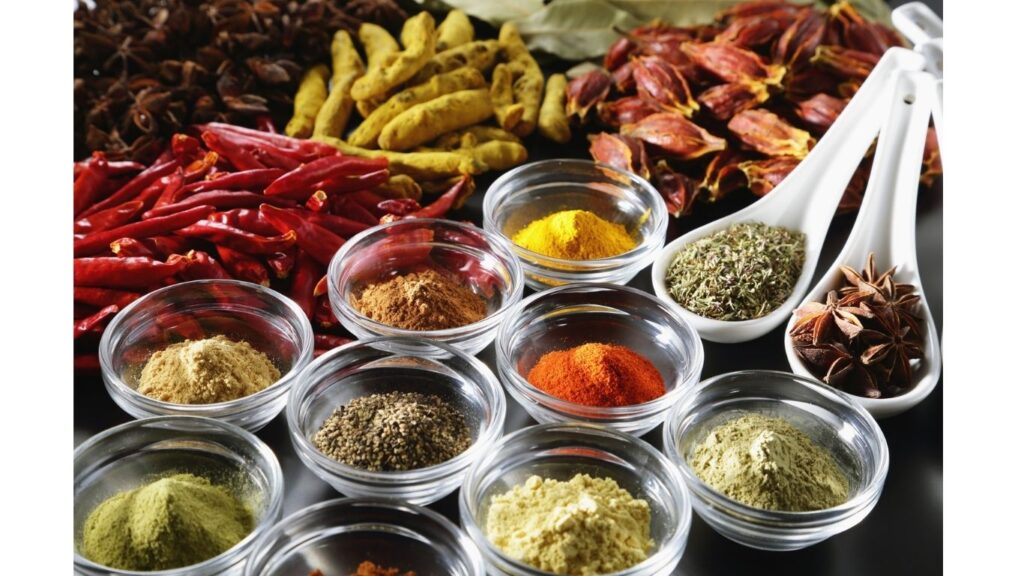
Spices have been treasured for centuries for their ability to transform food and delight the senses. Today, a pinch of cinnamon or a dash of turmeric can be found in almost every kitchen. But behind their vibrant colors and intoxicating aromas lies a global industry where quality, authenticity, and purity can vary dramatically. If you care about flavor, health, and value, understanding the truth about spices is essential.
Purity Matters More Than You Think
Many people assume that the spices they buy are 100% pure. Unfortunately, that isn’t always the case. Because ground spices are easy to blend, they’re sometimes “cut” with fillers to increase profits.
Common issues include:
- Adulteration: Cheaper powders (like brick dust, chalk, or starch) may be added to mimic color or texture.
- Color Enhancers: Some producers use artificial dyes to make spices appear fresher or more vibrant.
- Dilution: Bulked-up blends can reduce the concentration of the essential oils that provide real flavor and health benefits.
Low-quality or adulterated spices don’t just dull your dishes—they can pose health risks. That’s why reputable sourcing is so important.
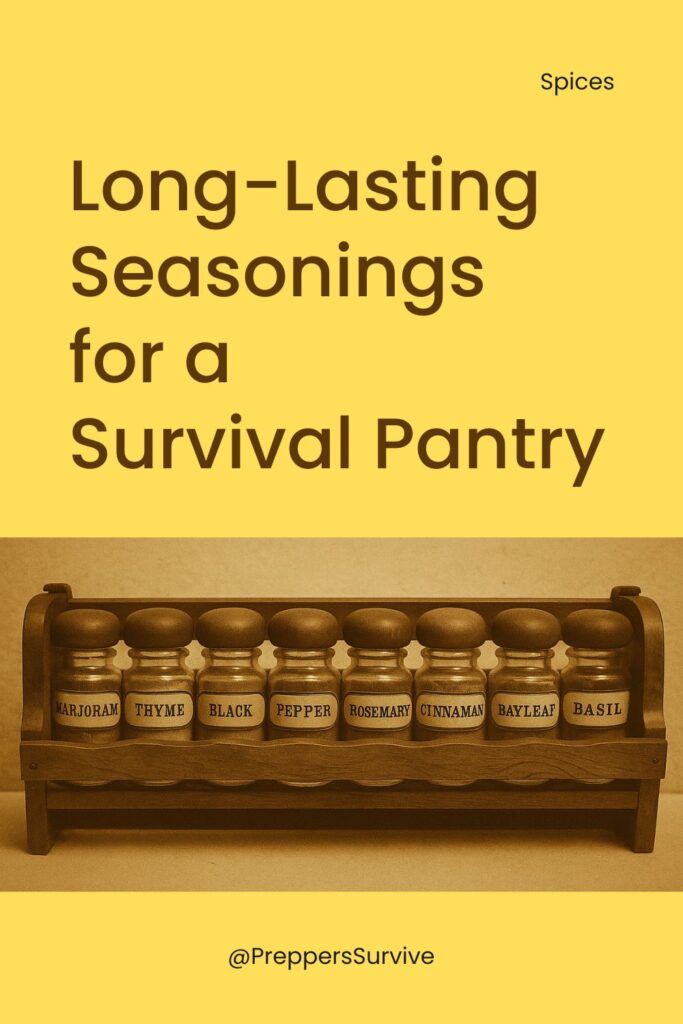
Essential Spices for Preppers: Long-Lasting Seasonings for Your Survival Pantry
The Importance of Origin
The journey of a spice matters as much as the spice itself. Climate, soil, and harvesting methods all affect flavor and potency.
- Turmeric from India is prized for its deep orange hue and high curcumin content.
- Cinnamon from Sri Lanka (Ceylon cinnamon) is sweeter and more delicate than the more common cassia cinnamon.
- Black pepper from Tellicherry, India is celebrated for its large, robust peppercorns and bold aroma.
Knowing where your spices come from ensures not only superior taste but also supports ethical farming practices and fair trade.
How to Spot Quality Spices
Fortunately, a little knowledge can help you choose the best spices:
- Buy Whole When Possible – Whole peppercorns, nutmeg, or cardamom pods retain essential oils and stay fresher longer.
- Check for Certification – Look for labels such as USDA Organic, Fair Trade, or Non-GMO for added assurance.
- Smell Before You Buy – Fresh spices should have a strong, unmistakable aroma. Weak or musty smells indicate age.
- Watch the Color – Vibrant color is a good sign, but beware of unnaturally bright or neon hues.
- Know Your Supplier – Specialty spice shops and trusted online sellers often provide sourcing details and harvest dates.
Storage Tips to Maintain Purity
Even the highest-quality spices lose potency over time. To keep them fresh:
- Store in airtight containers away from heat, light, and moisture.
- Ground spices start losing some of their rich flavor after about 6 months.
- Whole spices can last 2–3 years if stored properly.
Why Quality Is Worth the Investment
Premium spices often cost more, but the difference is noticeable. A teaspoon of high-quality cinnamon can provide richer flavor than a tablespoon of a diluted brand, meaning you use less and waste less. Pure spices also retain more of their natural antioxidants, anti-inflammatory compounds, and other healthful properties.
Shelf Life
The shelf life of spices depends on whether they are whole or ground, how they’re stored, and the type of spice. Here’s a clear guide:
🌿 General Rule of Thumb
- Whole spices (peppercorns, cinnamon sticks, nutmeg, cardamom pods, cloves): 2–4 years
- Whole spices keep their natural oils locked in longer, which preserves flavor.
- Ground spices (cinnamon powder, turmeric, paprika, cumin): 6 months to 2 years
- Grinding exposes more surface area to air, light, and moisture, causing faster flavor loss.
- Dried herbs (basil, oregano, parsley, thyme): 6 months to 1 year
- Delicate leaves fade quicker than seeds or roots.
🔑 Signs Your Spices Have Lost Flavor
- Weaker aroma: If you can barely smell it, it’s past its prime.
- Dull color: Bright, vibrant hues fade as potency declines.
- Flat taste: If you need to add extra to taste anything, it’s time to replace.
🏡 Storage Tips for Maximum Freshness
- Keep spices in airtight containers (glass jars with tight lids are best).
- Store in a cool, dark place—away from heat, light, and humidity (not over the stove!).
- Avoid frequent opening to reduce exposure to air and moisture.
✅ Quick Test
Rub a pinch between your fingers. If it releases a strong aroma, it’s still good. If not, it’s time to refresh your supply.

🫙 Essential Spices for Preppers / Spice Shelf-Life Guide
(From date of purchase, when stored in airtight containers in a cool, dark place)
| Spice Type | Whole (Seeds/Pods/Sticks) | Ground / Powdered |
|---|---|---|
| Salt | Indefinitely | Indefinitely |
| Black Pepper, Peppercorns | 3–4 years | 2–3 years |
| Cinnamon (sticks/powder) | 3–4 years | 1–2 years |
| Nutmeg | 3–4 years | 1–2 years |
| Cloves | 3–4 years | 1–2 years |
| Cardamom | 3 years | 1 year |
| Cumin | 3 years | 1–2 years |
| Coriander | 3 years | 1–2 years |
| Turmeric | — | 2–3 years |
| Paprika/Chili Powder | — | 1–2 years |
| Dried Herbs (basil, oregano, thyme) | — | 6–12 months |
| Dried Herbs (rosemary, tarragon) | — | 6–12 months |
| Garlic (granulated or powder) | — | 3–4 years |
| Onion (powder or flakes) | — | 3–4 years |
Printable Essential Spices for Preppers List
What Are the Easiest Spices to Grow in a Home Garden?
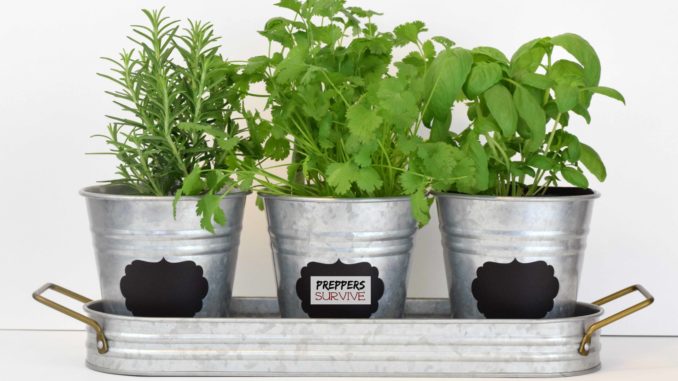
Some of the easiest spices to grow in a home garden are hardy herbs and seeds that thrive with minimal care. Here are great options to get started:
🌱 Easiest Spice Herbs
-
Basil – Fast-growing annual; great in pots or garden beds.
-
Oregano – Perennial; thrives in dry soil and full sun.
-
Thyme – Drought-tolerant; grows well in rocky or sandy soil.
-
Rosemary – Hardy shrub; loves sun and well-drained soil.
-
Cilantro (Coriander) – Leaves for fresh use; seeds can be harvested as coriander spice.
🌾 Seed & Spice Producers
-
Dill – Provides both leaves and seeds for pickling.
-
Fennel – Bulbs, fronds, and seeds are all edible.
-
Mustard – Easy to grow for seeds used in spice blends.
-
Chives – Mild onion flavor; perennial and easy to divide.
🌿 Tips for Success
-
Use well-drained soil and full sun for most spices.
-
Regular pinching or harvesting encourages growth.
-
Container growing works well for controlling invasive plants like mint and oregano.
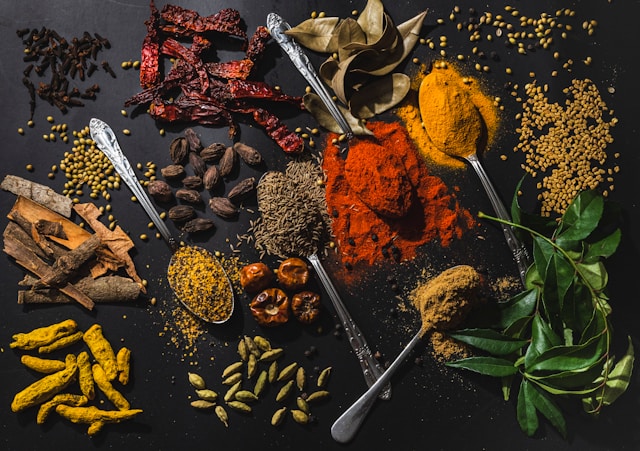
“You don’t have to cook fancy or complicated masterpieces—just good food from fresh ingredients, with the right seasoning.” -Julia Child

Leave a Reply