

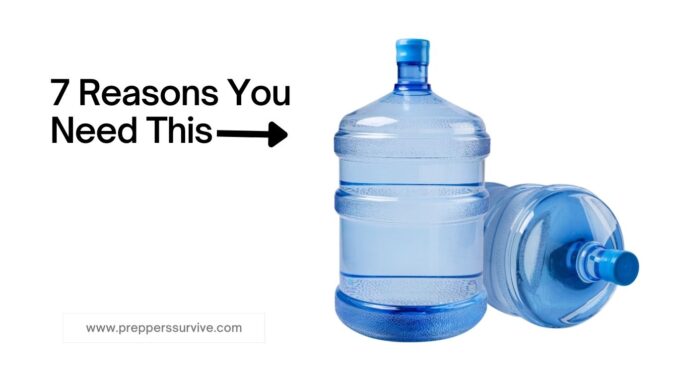
In a world of uncertainties, contaminated drinking water is a nationwide threat. Recent news stories have highlighted this pervasive issue, drawing attention to communities suffering from waterborne diseases and inadequate access to clean water. From lead contamination in Flint, Michigan, to cancer-causing chemicals in Florida, the United States has faced several significant drinking water problems.
7 U.S. Drinking Water Disasters That Captured National Attention
1. Flint, Michigan
One of the most widely known water crises in the U.S. occurred in Flint, Michigan. In 2014, the city switched its water source to the Flint River to save money. However, the river water was not properly treated, leading to corrosion of old pipes and the leaching of lead into the drinking water. Thousands of residents were exposed to dangerous levels of lead, causing widespread health issues, especially in children.
2. Newark, New Jersey
Newark faced a similar crisis to Flint, with lead contamination becoming a major issue. Aging lead pipes leached lead into the drinking water, prompting the city to distribute bottled water to residents while working to replace the old infrastructure. The crisis highlighted the challenges of aging water systems in many American cities.
3. Jackson, Mississippi
In Jackson, Mississippi, the water system has been plagued by infrastructure problems for years. In early 2021, winter storms caused severe disruptions, leaving many residents without access to clean water for weeks. The city’s water system, which is in desperate need of upgrades, struggled to recover, exposing systemic issues.
4. East Chicago, Indiana
East Chicago experienced a water crisis due to industrial pollution. The U.S. Environmental Protection Agency (EPA) found high levels of lead and arsenic in the soil and groundwater, affecting the drinking water supply. The contamination was linked to decades of industrial activity, highlighting the long-term impacts of industrial pollution on water sources.
5. Hoosick Falls, New York
In Hoosick Falls, residents discovered their water was contaminated with perfluorooctanoic acid (PFOA), a chemical linked to cancer and other health issues. The contamination was traced back to a local manufacturing plant. This crisis brought attention to the presence of toxic chemicals in drinking water and the need for stricter regulations.
6. Alamosa, Colorado
In 2008, the town of Alamosa experienced a severe salmonella outbreak in its water supply, sickening hundreds of residents. The outbreak was caused by the contamination of the town’s water system, underscoring the importance of proper water treatment and infrastructure maintenance.
7. California
California has experienced severe droughts in recent years, affecting both urban and rural areas:
-
Los Angeles and San Francisco: These major cities have faced water restrictions due to reduced water supplies from the Sierra Nevada snowpack and diminished reservoir levels. The state implemented measures such as mandatory water conservation and restrictions on outdoor water use.
-
Central Valley: This agriculturally important region has been hit hard by drought, affecting not only crop irrigation but also the drinking water supplies of local communities. Some areas have relied on groundwater, which has been over-extracted, leading to concerns about long-term sustainability and water quality.

A. Emergencies Can Happen Anywhere
Disasters rarely give advance notice. Natural events like hurricanes, earthquakes, wildfires, or winter storms can disrupt municipal water systems or make tap water unsafe to drink. Power outages can shut down pumps and filtration plants. Even localized incidents—like a water main break, a chemical spill, or contamination from aging pipes—can suddenly cut off your access to clean water.
A one-week supply provides a critical cushion, ensuring your family can stay safe and healthy while infrastructure is repaired or emergency relief arrives.
B. Water Systems Are More Fragile Than We Think
Most of us trust that clean water will always flow from the tap. But the reality is that U.S. water infrastructure is aging and vulnerable. Cities such as Flint, Michigan and Jackson, Mississippi have faced severe contamination crises. Prolonged droughts in the West are straining reservoirs and groundwater. Even short-term disruptions can leave entire communities scrambling for bottled water.
By storing your own supply, you’re not at the mercy of supply chains or emergency distributions—which can be delayed or overwhelmed in a crisis.
C. More Than Just Drinking
Remember that water isn’t only for drinking when planning for a one-week supply. You’ll also need it for:
- Cooking and food preparation
- Basic hygiene (handwashing, brushing teeth)
- First aid (cleaning wounds, mixing medical solutions)
- Pet care
A common guideline is one gallon per person per day. For a family of four, that’s 28 gallons for a week.
D. How Much Water Do I Need
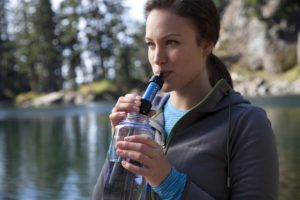
Emergency guidelines recommend at least 1 gallon of water per person per day for drinking and basic hygiene. Building a week’s water reserve starts with small, simple steps:
- Purchase sealed, food-grade water containers or use clean, sanitized jugs. Commercially bottled water can be found at dollar stores. It is sealed and has a long shelf life.
- Rotate stored water every 12 months to keep it fresh.
- Consider adding water purification tablets or a gravity filtration system (like a LifeStraw or Berkey) as a backup for tap water or collected rainwater.
- Commercially bottled water (sealed containers with long shelf life).
- Food-grade water storage containers (5– or 55-gallon barrels).
- Stackable water bricks for smaller spaces
The upfront cost is minor compared to the security it provides during a crisis.
E. Independence During Supply Shortages

In a widespread emergency, bottled water can disappear from store shelves within hours. Delivery trucks may be delayed by road closures or fuel shortages. Your personal supply protects you from panic buying and long lines, and it gives you the independence to care for your family and even help neighbors in need.
Tips for Safe Storage
- Use BPA-free, food-grade containers.
- Store in a cool, dark place, away from direct sunlight and chemicals.
- Label containers with the date stored and refresh every 12 months.
- Keep at least one portable filter or purification method in case you need to refill from an uncertain source.
Final Thoughts
Clean drinking water is not something to take for granted. A one-week supply may seem like a lot to store, but the peace of mind it provides is priceless. Emergencies can happen without warning, and infrastructure failures are more common than many realize. By preparing now, you ensure that your family can stay safe, hydrated, and self-reliant—no matter what comes your way.
Start today. Even a few extra gallons in your pantry is a step toward resilience and security.
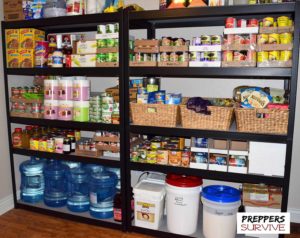
Continue reading: 12 Prepper Pantries

Leave a Reply