

Why Most Water Filters Fail in Real Emergencies (And What Actually Works)
When disaster strikes and municipal water systems fail, most preppers make a critical mistake: they assume any portable water filter will keep them safe. The harsh reality? The majority of emergency water bottles on the market today leave you vulnerable to the most dangerous waterborne threats—viruses.
The Hidden Threat in Contaminated Water
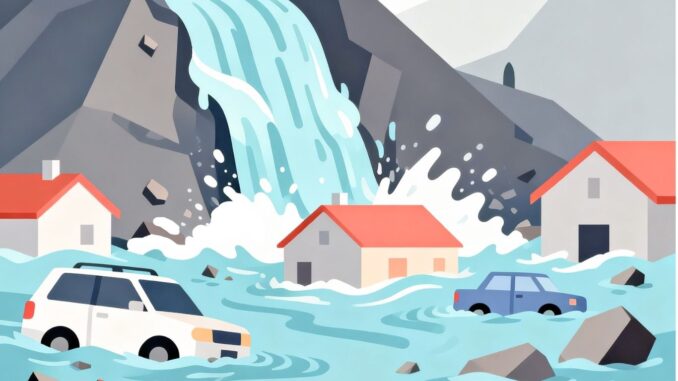
During Hurricane Katrina, thousands of evacuees learned this lesson the hard way. Floodwater doesn’t just carry bacteria and parasites—it becomes a viral soup containing Hepatitis A, Norovirus, and Rotavirus. These microscopic killers measure as small as 0.03 microns, easily slipping through standard filtration systems that only target bacteria and protozoa.
Here’s what keeps me up at night as someone serious about preparedness: You can have a bug-out bag packed with premium gear, months of freeze-dried food, and multiple water filtration options—but if those filters don’t remove viruses, you’re one contaminated water source away from a life-threatening situation when medical help is unavailable.
Why “Filtered” Doesn’t Mean “Safe”
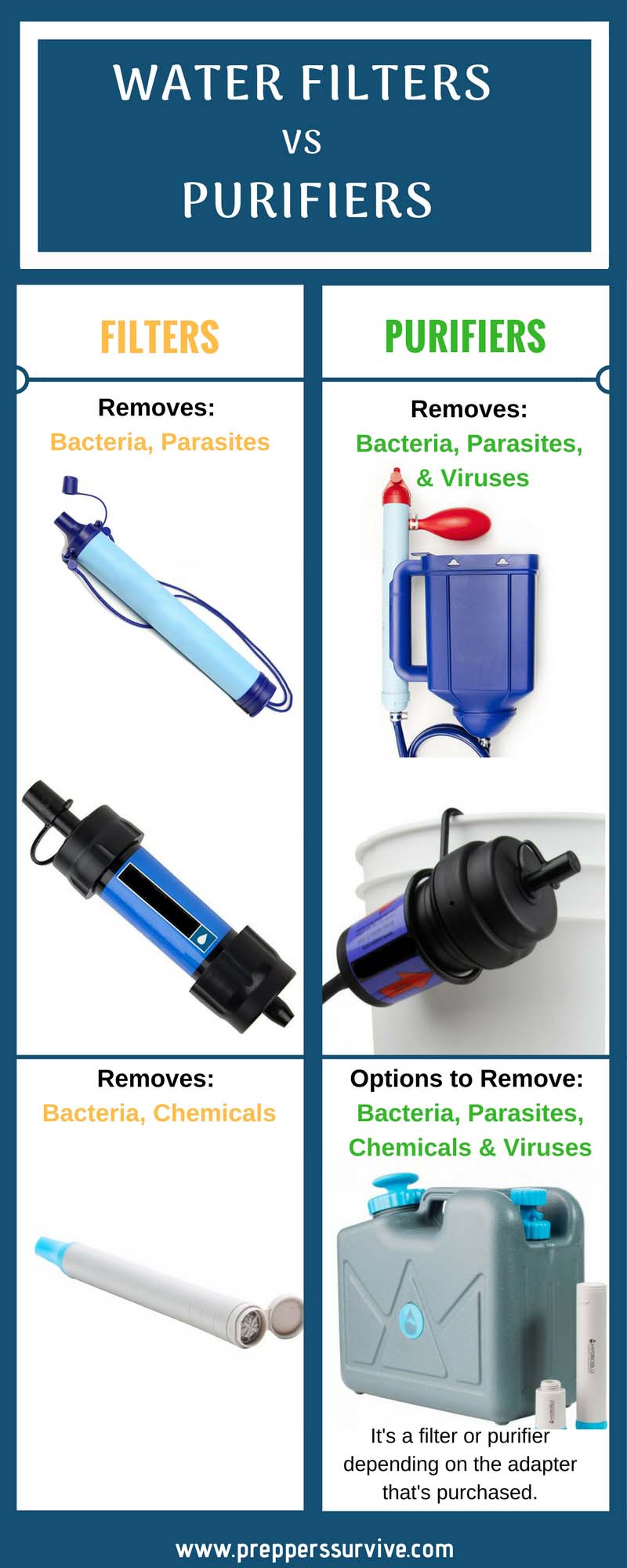
Most portable water filters use basic mechanical filtration with pore sizes between 0.1 and 0.2 microns. This works beautifully for bacteria like E. coli (2-3 microns) and parasites like Giardia (8-12 microns). But viruses? They laugh at these filters and flow right through.
The emergency preparedness industry has created a dangerous false confidence. Terms like “purified,” “filtered,” and “clean” get thrown around without consumers understanding what threats remain. Unless a filter specifically states it removes viruses and meets EPA standards for virus reduction, you’re gambling with your health during the worst possible time.
Why Most Water Filters Fail
The Three-Stage Defense System
Effective emergency water filtration requires a multi-barrier approach—something originally developed for NASA missions where astronauts couldn’t afford to get sick from contaminated water sources.
The gold standard combines three distinct technologies:
Mechanical filtration creates the first line of defense, using microscopic pores to physically block larger contaminants like sediment, bacteria, and parasites. Think of this as a security gate that stops the obvious threats.
Electrical filtration is where things get sophisticated. By using an electropositive charge, this stage attracts and traps microscopic contaminants that would otherwise slip through mechanical filters alone. Viruses, being negatively charged, get pulled in and captured. This effectively reduces the functional pore size without actually making smaller holes that would slow water flow to a crawl.
Activated carbon filtration tackles chemical threats—chlorine, pesticides, heavy metals, volatile organic compounds, and those nasty tastes and odors that make emergency water unbearable to drink. During disasters, floodwater picks up fuel, industrial chemicals, and agricultural runoff. Carbon adsorption provides that critical chemical protection that boiling water simply cannot address.
This three-stage approach delivers what emergency preparedness experts call “complete protection”—removing 99.9999% of bacteria, 99.99% of viruses, and a broad spectrum of chemical contaminants. For context, that’s the same filtration standard used by the EPA for testing microbiological water purifiers.
When Seconds Matter: The Speed Factor
I’ve tested numerous emergency filtration systems, and here’s something most reviews don’t tell you: complicated systems fail when you’re stressed, exhausted, or in the dark.
Pump filters require physical effort when you’re already drained. Chemical tablets need 30 minutes to 4 hours of waiting time—try explaining to dehydrated children why they can’t drink for another hour. UV purifiers need batteries that die at the worst moments and don’t work in murky water.
The best emergency filtration is invisible in its complexity but obvious in its simplicity. Fill the bottle from any freshwater source—a stream, pond, even a questionable puddle—and drink immediately. No pumping, no plunging, no tablets, no batteries, no waiting. In genuine emergencies, this simplicity becomes survival.

The Shelf-Life Nobody Talks About
Here’s a question that separates casual preppers from serious survivalists: How long can your water filter sit unused and still work perfectly when needed?
Many filters deteriorate over time, especially if they’ve been stored improperly. The filter media breaks down, seals dry out, and effectiveness drops. I’ve heard too many stories of preppers discovering their expensive filtration system doesn’t work during an actual emergency because it’s been sitting in a garage for three years.
Quality emergency filters maintain effectiveness for years on the shelf. Even better, they offer substantial longevity during use—up to 400 single-use bottles worth of filtration per filter cartridge. For a family of four using a bottle 2-3 times daily, that translates to roughly three months of reliable filtration from a single filter.
Beyond Natural Disasters: Modern Threats
We typically think of water filtration for hurricanes, floods, and earthquakes. But modern emergencies extend far beyond natural disasters.
Infrastructure failures are becoming increasingly common. Aging water treatment plants, cyberattacks on municipal systems, and accidental contamination events regularly force “boil water” advisories across American communities. In 2023 alone, millions of Americans faced water safety warnings.
Civil unrest and supply chain disruptions can make bottled water instantly unavailable. I watched this happen during the early pandemic—empty store shelves as far as you could see.
International travel presents its own risks. Political instability, contaminated water supplies in developing regions, or simply being caught abroad during a crisis means having personal water security isn’t just smart—it’s essential.
Building Real Redundancy
Following the PACE model (Primary, Alternate, Contingency, Emergency), serious preparedness requires multiple water solutions:
Primary: Stored water—the standard 1 gallon per person per day for at least two weeks. Heavy, space-consuming, but immediately available.
Alternate: Your main filtration system—reliable, proven, and easy to use under stress.
Contingency: Backup filters and backup bottles. When your primary filter eventually needs replacement, having spares means no interruption in clean water access.
Emergency: Knowledge of water purification methods like boiling, chemical treatment, and solar disinfection. These are your last-resort options when equipment fails.
The key is having solutions that address different scenarios. Portable filtration bottles excel for bug-out situations, evacuation scenarios, and mobile operations. They’re lightweight, durable, and can source water from virtually any freshwater location.
The Bottom Line on Emergency Water Security
After years of testing gear and studying real-world disasters, I’ve concluded that water security is the single most critical element of emergency preparedness. Food you can ration. Shelter you can improvise. But water? You need it immediately, constantly, and contaminated water will end your survival story faster than almost any other threat.
The investment in proper virus-removing filtration is minimal compared to the stakes. We’re talking about the difference between confidently sourcing water from any available freshwater source versus gambling your life on incomplete protection.
When evaluating any emergency water solution, ask these questions: Does it specifically remove viruses, not just bacteria? Can I use it immediately without waiting, pumping, or electricity? Will it still work after years of storage? Is it simple enough to use under stress?
If you can’t answer yes to all four, you don’t have real water security—you have a false sense of protection that could prove catastrophic when you need it most.
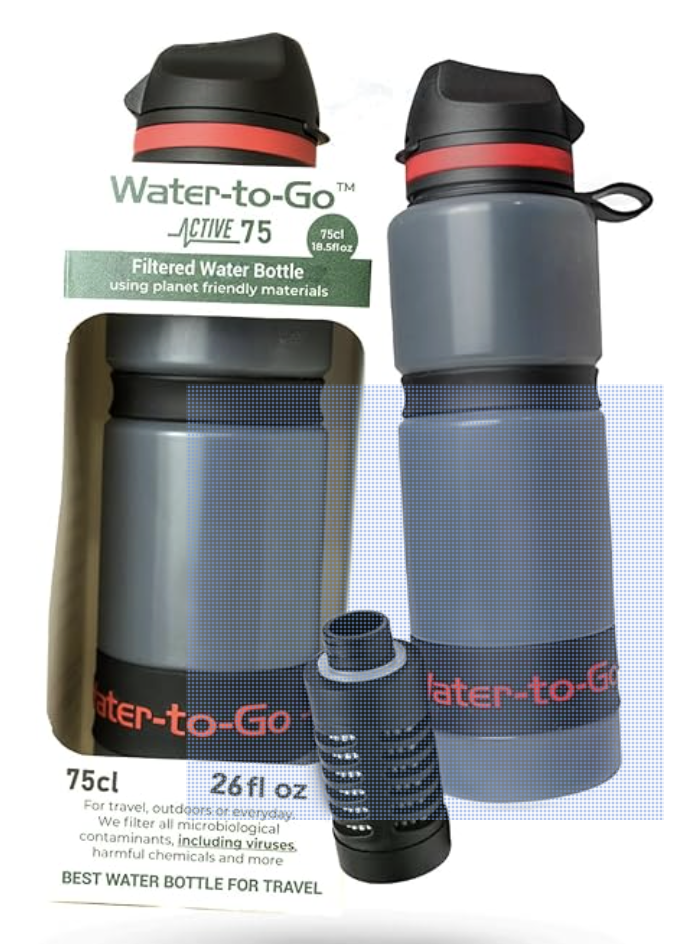
For those serious about being prepared, Water-to-Go bottles provide that complete protection with NASA-developed 3-in-1 filtration technology. Each bottle handles bacteria, viruses, and chemicals while remaining simple enough for anyone to use immediately. Visit watertogousa.com to see the full specifications and independent testing results.
Remember why most water filters fail in emergencies; you don’t want to be learning what your gear can’t do during a critical time. Test your equipment now, understand its real capabilities, and build genuine redundancy. Your life may depend on it.
Stay safe and stay prepared.
Thanks for visiting Preppers Survive. Before you leave, subscribe to our newsletter. If you enjoyed this article, Why Most Water Filters Fail, please share it on your favorite social media.

Leave a Reply