

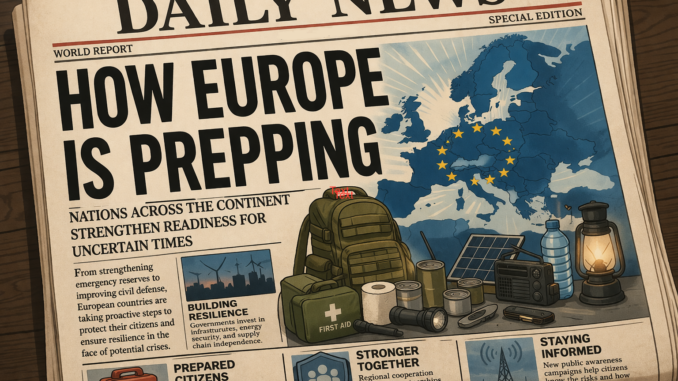
Across Europe, the idea of being prepared for at least 72 hours has become the baseline. Governments and civil protection agencies widely recommend that households should be able to take care of themselves for three days without outside help. Europe is one of the most urbanized regions in the world. Millions of people live in apartments with limited storage, no land, and strict regulations.
Why 72 hours? Because in most emergencies, whether it’s a natural disaster, infrastructure failure, or regional crisis, aid may be delayed. Roads can be blocked. Systems can fail. And during those first critical days, you’re on your own.
A well-prepared 72-hour kit isn’t about fear—it’s about stability.
Why This Matters Now: Europe’s Official Warning
The European Union made headlines by urging all 450 million citizens to prepare for emergencies by maintaining at least 72 hours of essential supplies. Officials cited growing risks from war, cyberattacks, extreme weather, and infrastructure disruptions as the reason for this push. (AP News)
The guidance is part of a broader preparedness strategy designed to ensure that individuals can remain self-sufficient during the critical first days of a crisis. Experts emphasized that even short-term disruptions—like power outages or supply chain breakdowns—can quickly escalate if households aren’t ready. (Business Insider)
This isn’t niche doomsday thinking anymore. It’s official policy!
The 72-Hour Emergency Kit: The Foundation of Preparedness
Across Europe, the idea of being prepared for at least 72 hours has become the baseline. Governments and civil protection agencies widely recommend that households should be able to take care of themselves for three days without outside help.
Why 72 hours? Because in most emergencies—whether it’s a natural disaster, infrastructure failure, or regional crisis—aid may be delayed.
The European Commission now explicitly recommends that citizens maintain enough supplies to be self-sufficient for that period. (Reuters)
What Goes Into a European 72-Hour Kit?
European guidance emphasizes simplicity and practicality:
-
Water (minimum supply for 3 days)
-
Non-perishable food
-
Flashlights and batteries
-
Power banks or radios
-
Copies of important documents
-
First aid supplies
-
Cash
Many countries—including France and Nordic nations—have already adopted similar guidelines, reinforcing how standardized this approach has become. (euronews)

Preparing for Power Outages and Energy Shortages
If there’s one issue that has accelerated prepping across Europe, it’s energy instability.
Rising energy costs, grid strain, and geopolitical tensions have highlighted a critical vulnerability: modern life depends entirely on electricity.
The EU’s preparedness strategy specifically includes planning for disruptions such as cyberattacks and infrastructure failures that could impact power systems. (Reuters)
Key Power Outage Preparations
European households are focusing on:
-
Lighting: LED lanterns, headlamps
-
Cooking: Portable stoves (used safely)
-
Heat: Blankets, layered clothing, indoor safe propane heaters, insulated rooms
-
Power: Battery banks and solar chargers
-
Food: Shelf-stable options that don’t require refrigeration.
Even short outages can disrupt heating, communication, and access to food—especially in dense urban areas. Determine 9 meals that your family could eat in a power outage. Practice preparing these meals during a pretend power outage so your family knows there is a plan and what their responsibility is during a power outage.
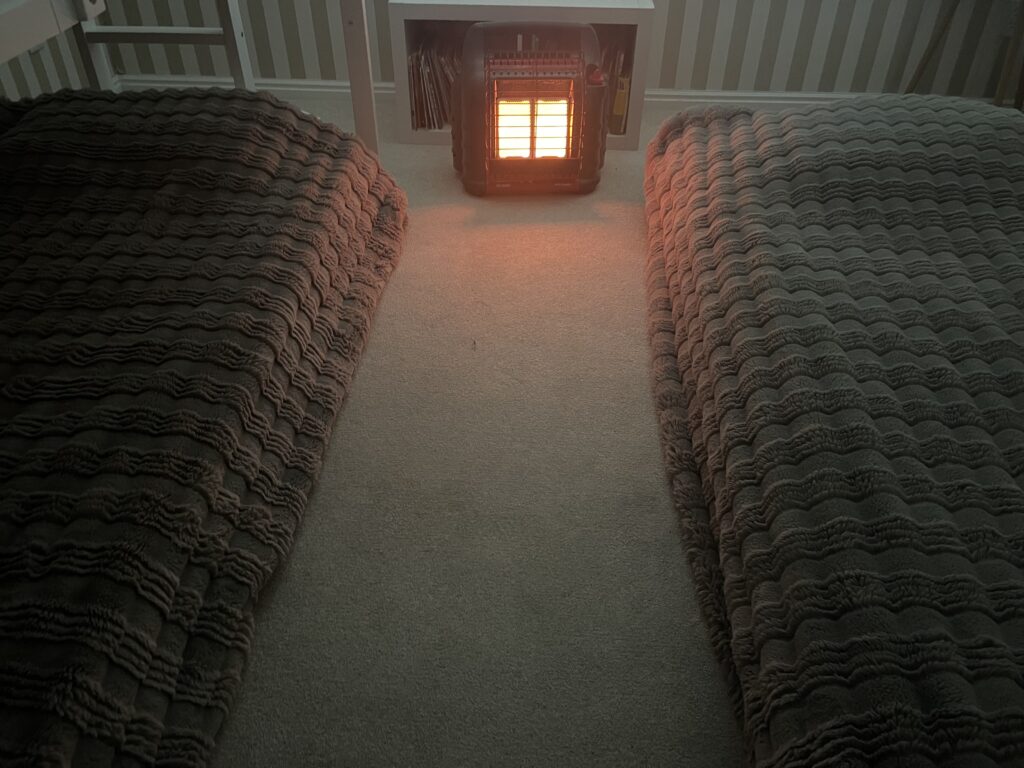
*Image is a mock setup for visual aid purposes only; read the heater instructions for safety. A safe distance for an indoor propane heater is at least 3 feet (36 inches) away from all flammable materials.
Urban Prepping: Emergency Preparedness in Small Spaces
Europe is one of the most urbanized regions in the world. That reality has reshaped prepping into something far more compact and strategic.
The Challenge
-
Small apartments
-
Limited storage
-
No land for large-scale prepping
-
Heavy reliance on infrastructure
Instead of stockpiling excessively, urban preppers focus on indoor gardening, whole grains, and meal planning rather than bulk food storage.
Smart Urban Strategies
-
Under-bed and vertical storage
-
Multi-use gear
-
Rotating food supplies
-
Compact water storage and filtration
Water is a major concern. If municipal systems fail, access can disappear quickly. That’s why even small reserves are critical.

Bugging In vs. Bugging Out
In contrast to many U.S. prepping strategies, Europeans tend to stay put.
Why?
-
Dense populations make evacuation difficult
-
Fuel and transportation may be limited
-
Borders and infrastructure can complicate travel
For most people, staying home and riding out short-term disruptions is the safest plan.
What Makes European Prepping Different?
Looking at local news articles together, a clear pattern emerges.
European prepping is:
-
Short-term focused (72 hours to a few weeks)
-
Urban-friendly
-
Practical and realistic
-
Driven by government guidance
-
Centered on resilience—not fear
Officials themselves emphasize that preparedness is about reducing panic and improving response—not expecting catastrophe. (The Guardian)
Lessons You Can Apply Right Now
Even if you don’t live in Europe, this approach offers valuable insight:
Start with 72 Hours
It’s achievable and highly effective.
Prepare for Likely Events
Power outages, supply disruptions, and weather events—not just extreme scenarios.
Use Your Space Wisely
Preparedness doesn’t require a large home.
Stay Calm and Practical
Preparedness is about confidence, not fear.
Prepping Resource
⚡ Power Outage Checklist:
-
Unplug Electrical Devices
Protect appliances and electronics from power surges when electricity is restored. -
Get Out Indoor Heater & Off-Grid Cooking Supplies
Safely set up propane heaters and alternative cooking methods (with proper ventilation). -
Use Safe Lighting Sources
Add glow sticks to the bathrooms. Use battery-operated or solar lanterns instead of candles when possible to reduce fire risk.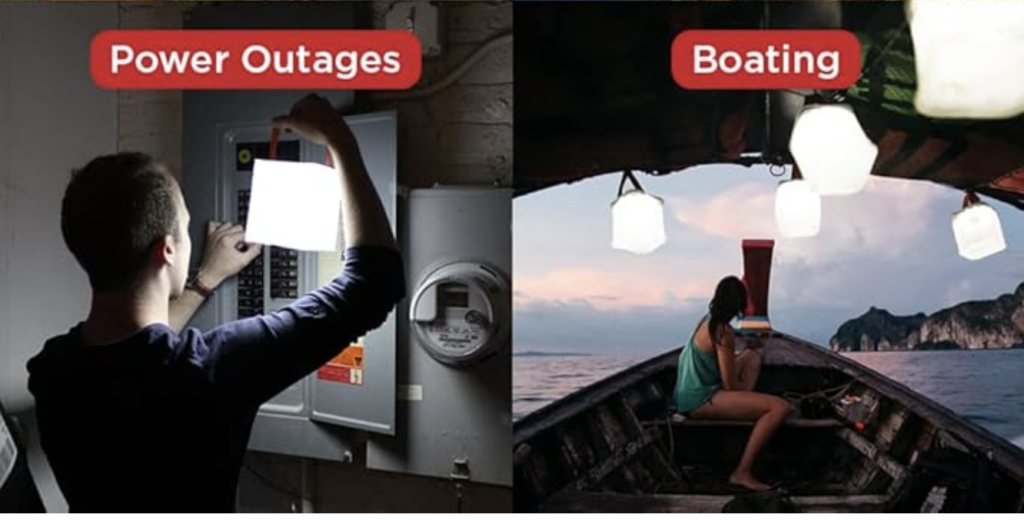
-
Keep Refrigerator & Freezer Cool
Preserve food by minimizing how often you open it—cold air stays in longer this way. Some people add ice blocks to the fridge. We plug ours into a large-capacity portable power station.
-
Monitor Updates
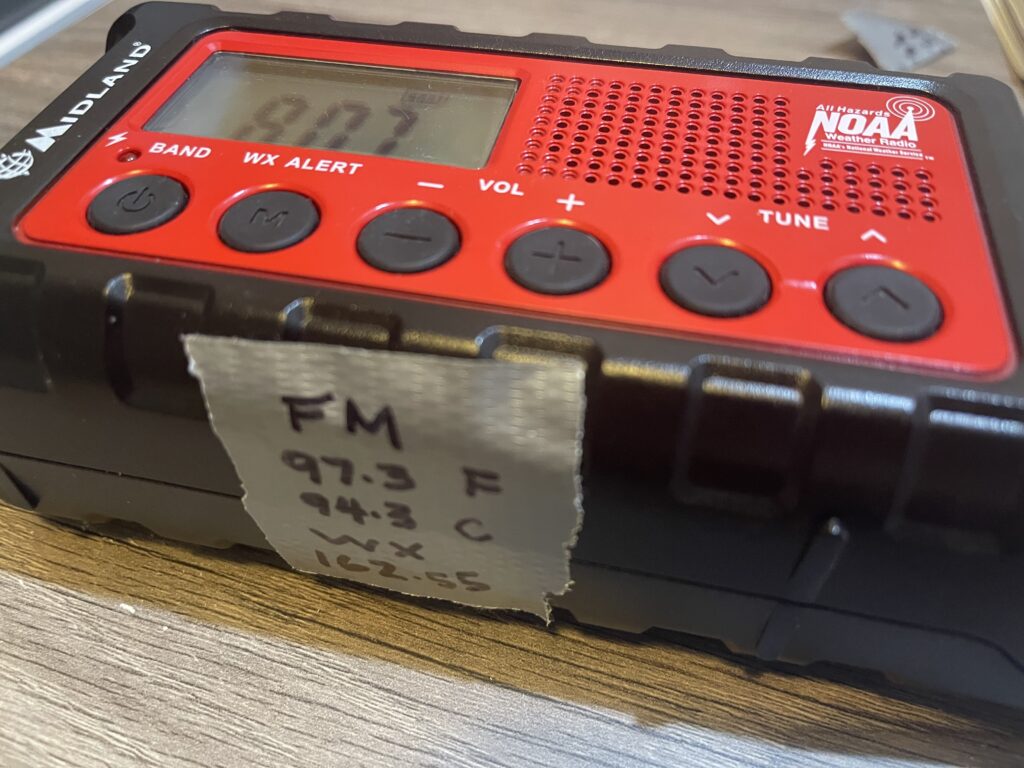
Use a battery-powered or hand-crank radio to stay informed about the outage and recovery efforts. Tip: Write local stations on your radio in permanent marker.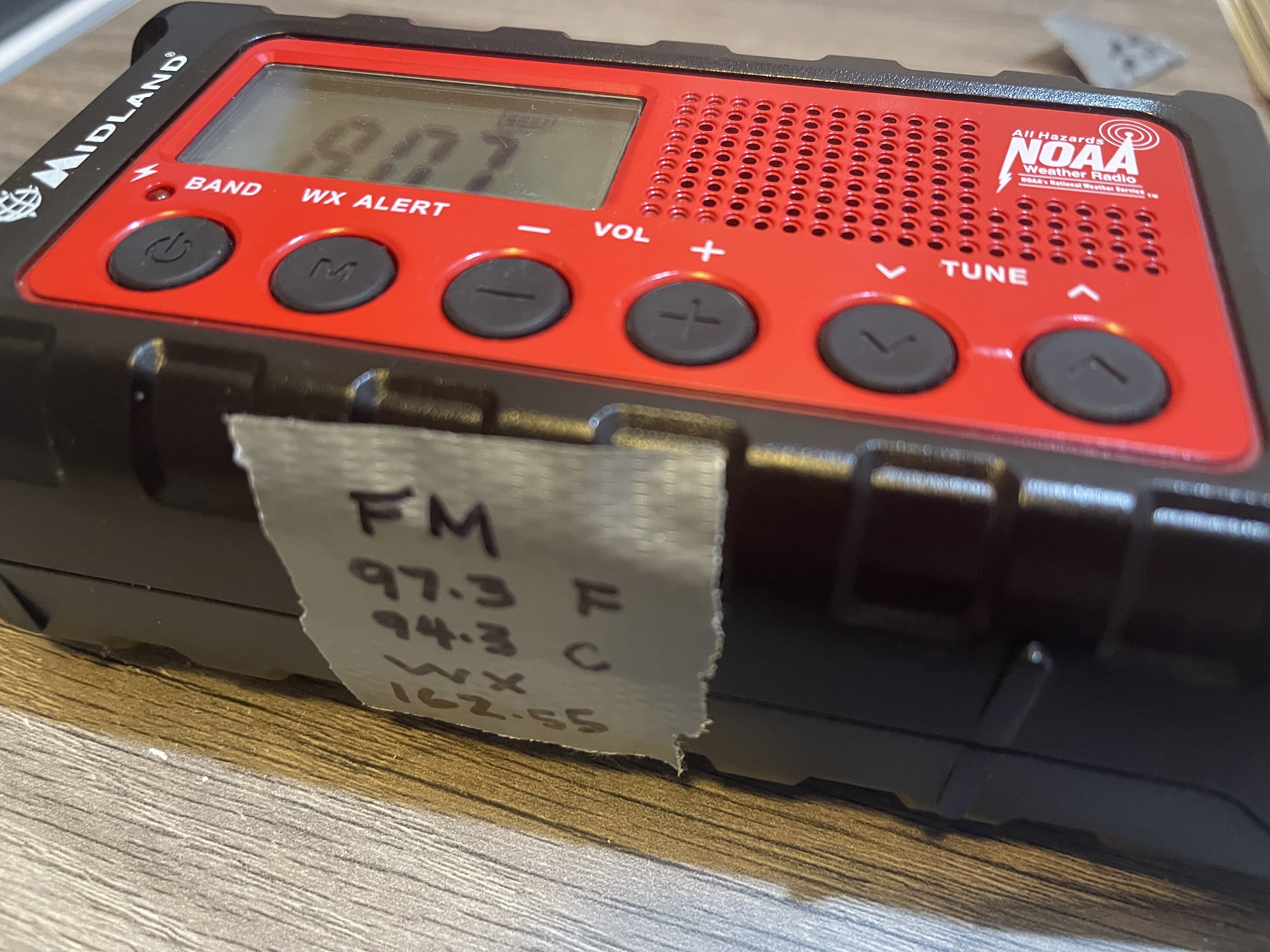
-
Conserve Phone Battery
Dim your screen, text instead of calling, and switch to low-power mode to keep communication available longer. -
Layer Up and Stay Warm (or Cool)
Dress in layers, use blankets, and close off unused rooms to maintain temperature. -
Secure Your Home
Lock doors and windows, and keep a flashlight nearby in case you need to move quickly. - Check on Neighbors
Especially the elderly, disabled, or families with young children, community matters in emergencies. - Activities
Most of us use electricity for winding down or entertainment, like TV or video games. Consider how your family might spend their time without electricity when the sun goes down. Having a plan before you’re faced with this scenario can help the time pass pleasantly. We have headlamps for reading books, playing board games, building lego cities, drawing, and painting. We also have dance parties and play musical chairs with a Yoto music player.
Final Thoughts
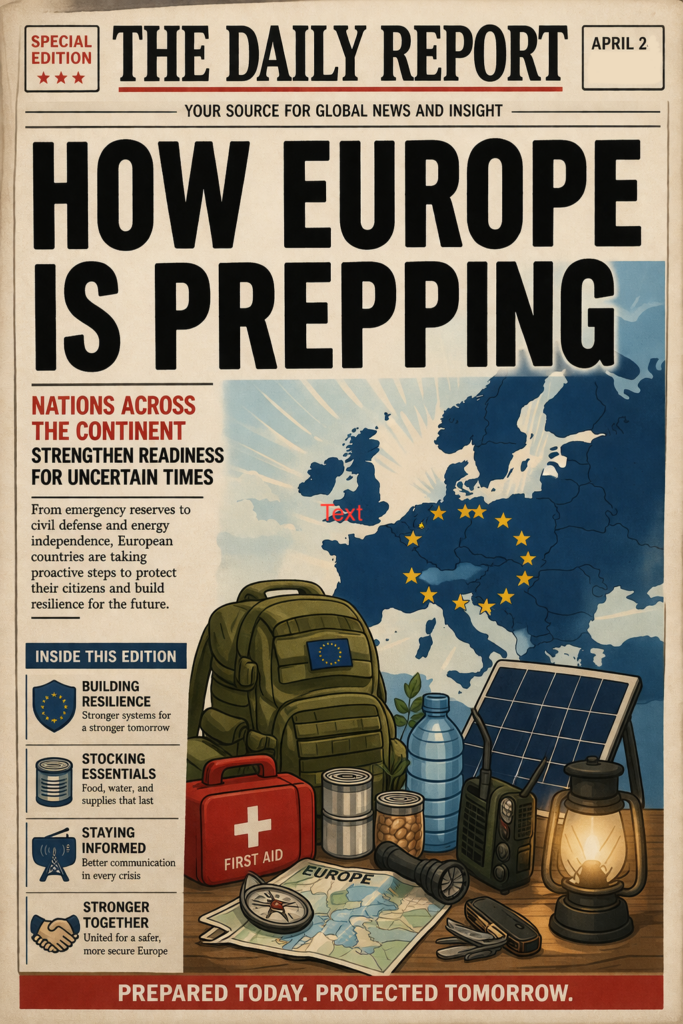
How Europe Is Prepping reflects a broader global shift. Preparedness is no longer fringe it’s becoming part of everyday life.
A simple emergency kit.
A plan for when the power goes out.
A strategy for small space emergency preparedness.
These aren’t dramatic changes, but they are powerful ones.
Because when something does happen, the people who are ready won’t panic.
They’ll be prepared.
Thanks for visiting Preppers Survive. Before you leave subscribe to our newsletter. If you enjoyed this article, How Europe Is Prepping, please share it on your favorite social media.

Leave a Reply