


Staying warm during a winter power outage can be tricky. Knowing how to layer clothes for warmth can help you use your body’s heat to stay safe and comfortable. The right clothing layers can trap body heat, remove moisture away from your skin, block cold air, and help you feel toasty.
Layering clothes changes with the seasons. In summer, layering is light and breathable, keeping the sun off your skin and providing a cooling effect. Fall is all about flexible warmth: start with a comfortable base layer, add a long-sleeve flannel shirt, and finish with a light jacket to handle cool mornings and warmer afternoons. Winter layering, if done right, is a survival skill.
Below is a list of tips for layering clothes for warmth in winter.
Why Layering Clothes Matters During a Power Outage
When your home loses heat, indoor temperatures can drop rapidly, especially in poorly insulated houses. Layering clothes properly allows your body to create and retain its own heat.
Effective cold-weather layering helps:
-
Trap warm air close to your body
-
Reduce heat loss from drafts and airflow
-
Prevent sweat from cooling you down
-
Conserve calories and energy
This is one of the simplest and most reliable ways to stay warm during a winter power outage.
How to Layer Clothes for Warmth When the Power Is Out
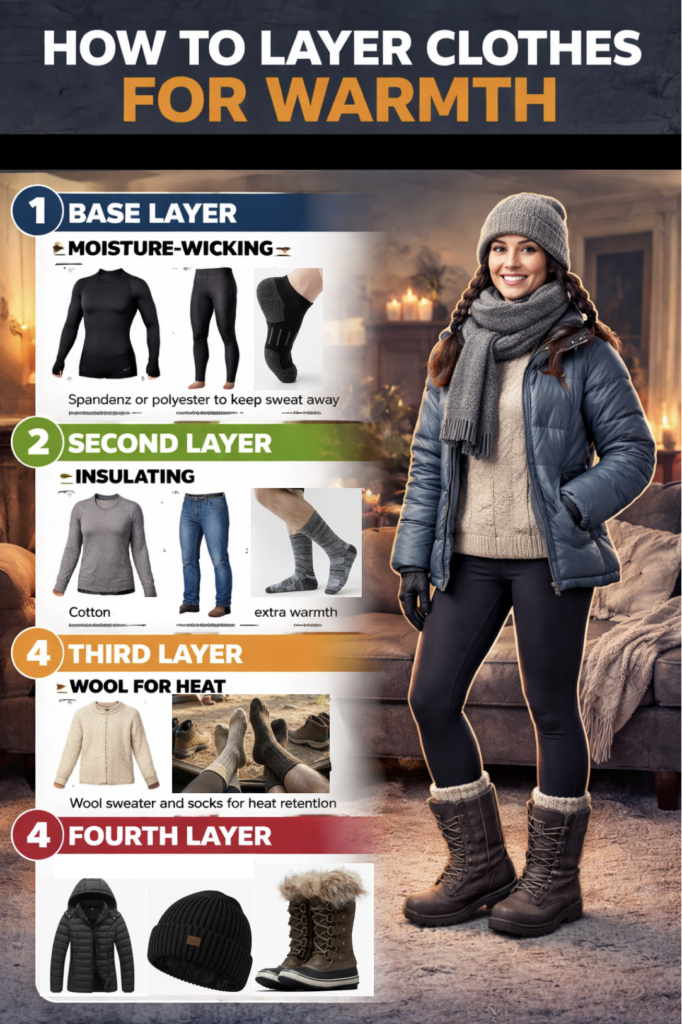
The most effective system uses four functional layers, each with a specific job.
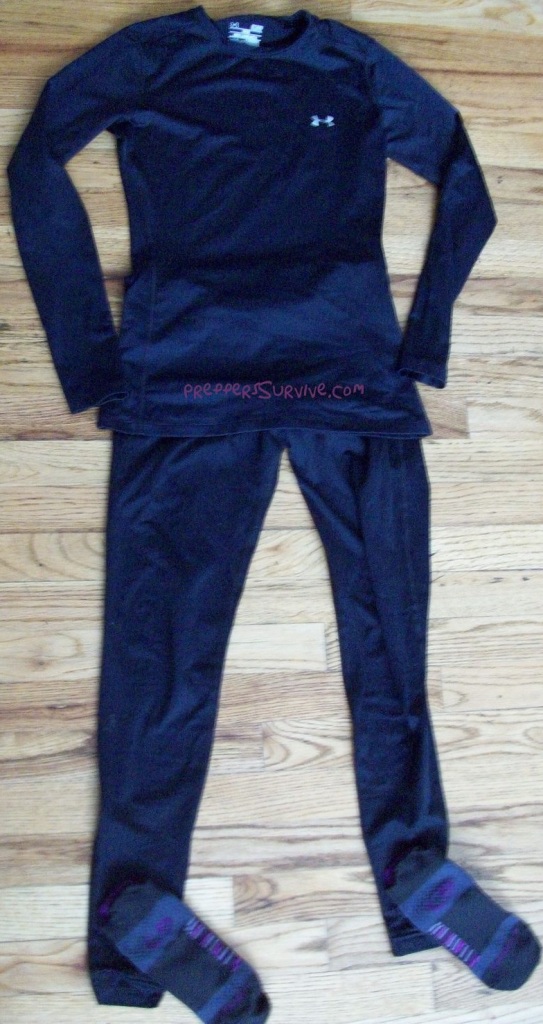
1. Base Layer: Moisture-Wicking Clothing

The base layer sits directly against your skin. Its purpose is to move sweat away from your body and limit airflow.
Moisture on your skin causes rapid cooling even in cold indoor environments. A tight-fitting base layer keeps you dry and warm.
You’ll want at least two sets of this layer, as this layer will need to be washed most often.
Best base layer fabrics:
-
Spandex blends
-
Polyester
-
Nylon
What you’ll need:
2. Second Layer: Insulating Clothing
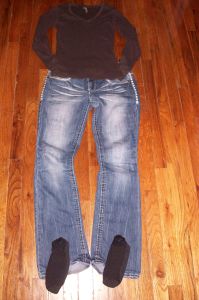
The second layer traps warm air between fabrics, creating insulation. This layer provides bulk warmth without restricting movement.
Best second-layer materials:
-
Cotton blends
-
Thermal knits
-
Fleece
What you’ll need:
-
Pants or jeans
-
Regular socks
⚠️ Cotton is fine only if you’re wearing a moisture-wicking base layer underneath.
3. Third Layer: Wool for Heat Retention
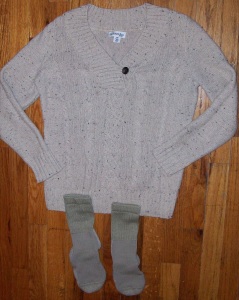
Wool is one of the best fabrics for cold weather and power outage situations. It blocks airflow, traps heat, and still insulates when damp.
Why wool works so well:
-
Excellent thermal insulation
-
Breathable yet warm
-
Retains heat even if moisture is present
What you’ll need:
Yes—wearing multiple pairs of socks is effective in extreme cold. When layered correctly, circulation is not restricted.
4. Fourth Layer: Cold and Draft Protection
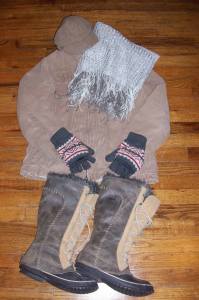
Even indoors, drafts steal heat. This layer protects your most vulnerable areas and blocks airflow. This layer is usually reserved for outdoor use, but during a winter power outage, it can help prevent hypothermia from knocking at your door.
Essential fourth-layer items:
-
Insulated gloves or wool mittens
-
Insulated jacket or coat
Covering your head, neck, hands, and feet dramatically reduces heat loss.
How to Stay Warm Indoors Without Electricity
Layering clothes is even more effective when combined with these strategies:
-
Stay in one room and close unused doors
-
Block drafts with towels or blankets
-
Sit or sleep off the floor
-
Use weighted blankets
-
Eat warm, calorie-dense foods
Clothing layers help conserve body heat so your body burns fewer calories trying to stay warm.
_________________________________________

Winter layers can be shockingly expensive. The trick is to spread the cost out over time and buy intentionally, not impulsively. Here’s a realistic, budget-friendly monthly plan that builds a complete winter layering system without dropping $400 all at once.
A 6-Month Monthly Plan for Buying Winter Layers (Without the Sticker Shock)
Month 1: Base Layers (The Foundation)
Why first: If your base layer fails, every other layer fails too.
What to buy:
-
moisture-wicking base layer top & bottom
- 2–3 pairs of polyester socks
Smart tip: Watch end-of-season sales or check secondhand (merino holds up well).
Month 2: Warm Socks
Why: Heat escapes fast from feet, head, and hands.
What to buy:
- At least one pair of wool socks
Smart tip: One good pair of wool socks beats five cotton pairs every time.
Month 3: Mid-Layer
Why: This layer pulls moisture further away from your skin.
What to buy:
Month 4: Insulation Piece
Why now: By this point, you’re ready to trap the heat and keep it from escaping.
What to buy:
-
Wool sweater
Smart tip: Thrift stores, consignment shops, and resale sites are goldmines for wool sweaters.
Month 5: Outer Layer
Why now: The shell of maintaining body heat.
What to buy:
- Insulated jacket (water-proof is best)
Month 6: Fill the Gaps
Why: Heat escapes fast from feet, head, and hands.
What to buy:
- Wool or fleece hat
- Insulated gloves
- Scarf
- Insulated boots
Smart tip: These small items dramatically boost warmth.
Final Thoughts
Whether visiting a cold climate or surviving local freezing temperatures, this technique can insulate you from dangerously cold conditions. Learning how to layer clothes for warmth is one of the most practical winter preparedness skills you can have. You need the right materials, worn in the right order.
Related Article: Emergency Heating Sources
Thanks for visiting the Preppers Survive website. Before you leave, join our community by subscribing. If you liked How to Layer Clothes for Warmth, please share it with your friends via email or social media, and vote for this site here.
Originally published October 15, 2014

Thanks for the useful reminders. On a cold sunny day, allowing the sun to shine in (adjusting as necessary) helps warm the house a little and sitting in the sunlight can be comforting. Keep up the good work!